
Restaurant Lighting Ideas to Enhance Dining Experience
Great food attracts customers, but great lighting keeps them coming back. By combining ambient warmth, accent features, and programmable linear lighting, restaurants can create unique atmospheres that elevate dining into an experience.
9/13/20252 min read
Restaurant Lighting Ideas to Enhance Dining Experience
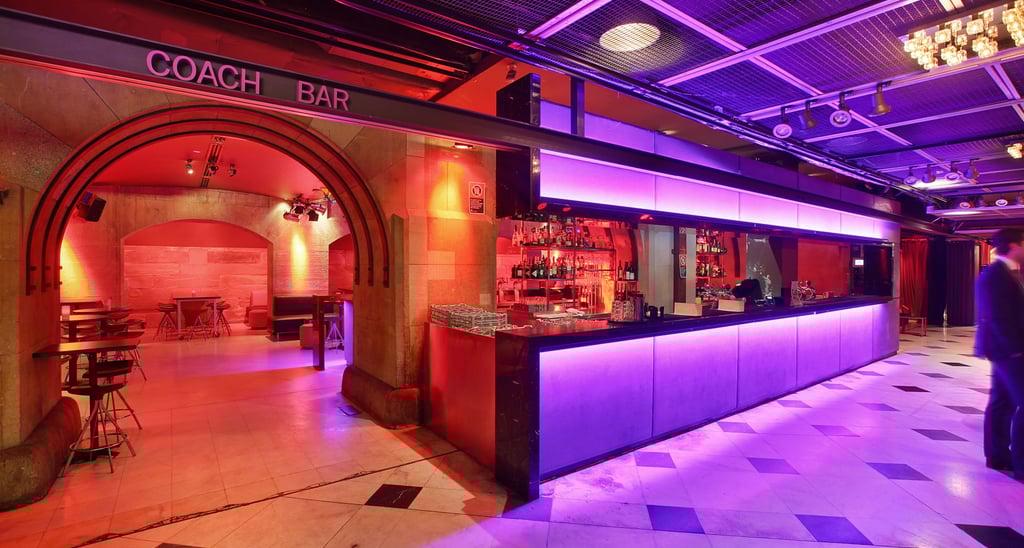
Lighting plays a vital role in shaping how guests feel inside a restaurant. The right restaurant lighting design goes beyond simply illuminating tables—it creates an inviting ambiance, highlights the décor, and influences how long customers stay. From warm, intimate glows to dynamic programmable lighting, carefully chosen fixtures and designs can transform an ordinary dining space into a memorable experience.
In this blog, we’ll explore restaurant lighting ideas to enhance dining experience, along with practical tips and how Aqvagreen Enterprise can help you bring your vision to life.
Why Lighting Matters in Restaurants
Sets the Mood – Soft lighting can make dining feel romantic, while brighter lighting keeps the space energetic and lively.
Impacts Appetite – Research shows that warmer tones enhance the appearance of food, making dishes look more appetizing.
Shapes Customer Behavior – Proper lighting encourages guests to stay longer, order more, and share their experience on social media.
Supports Brand Identity – A restaurant’s theme (casual, fine dining, or modern fusion) can be reinforced with the right lighting strategy.
Restaurant Lighting Ideas to Transform Dining Spaces
1. Warm Ambient Lighting for Comfort
Ambient lighting sets the foundation. Choose warm white LEDs or pendant lights that provide a cozy, inviting glow. This works well for fine dining or casual restaurants where comfort and relaxation are priorities.
2. Accent Lighting for Décor Highlights
Use focused spotlights or LED strips to highlight artwork, plants, wine shelves, or architectural features. Accent lighting enhances aesthetics and adds sophistication without overwhelming the dining area.
3. Layered Lighting Approach
Combine ambient, task, and accent lighting for depth. For example:
Ambient: Overhead warm lights.
Task: Focused lights over tables.
Accent: Spotlights on décor.
This layered approach creates balance and avoids flat, boring lighting.
4. Programmable Linear Lighting
Programmable linear lights allow you to change colors and patterns based on time of day or occasion. Imagine:
Soft golden hues for brunch.
Vibrant tones for evening dinners.
Dynamic DMX-controlled effects for special events.
5. Outdoor Dining Illumination
For patios or rooftop spaces, use weatherproof LED strips, lanterns, or string lights to create a magical atmosphere. Outdoor lighting should enhance safety while maintaining a relaxed vibe.
6. Energy-Efficient LED Lighting
Switching to LED not only lowers energy bills but also allows more creative flexibility with dimming, color-changing, and programmable effects.
7. Statement Chandeliers or Hanging Fixtures
In upscale dining spaces, statement fixtures act as design focal points. Large chandeliers, modern pendant lights, or artistic custom fixtures elevate brand personality.
Tips for Effective Restaurant Lighting
Use Dimmers: Adjust brightness depending on the time of day.
Avoid Harsh Lights: Soft lighting feels more welcoming than bright white glare.
Match Theme & Cuisine: A rustic restaurant benefits from warm lantern-style lighting, while a modern bar pairs better with sleek linear LEDs.
Prioritize Comfort: Ensure customers can read menus easily without feeling overwhelmed by bright lights.
AQVAGEEN ENTERPRISE
Offering premium outdoor water fountains, swimming pool designs, and facade lighting solutions. Transform your spaces with our expert craftsmanship and innovative designs. Quality and satisfaction guaranteed
CONTACT DETAILS
Craftsmanship
aqvagreenenterprise@gmail.com
+91 8595841372
© 2024. All rights reserved @ AQVAGREEN ENTERPRISE